
Water Resistant vs. Waterproof Winter Coats: What's the Difference?
Water Resistant vs. Waterproof Winter Coats

By: Chris B.
Published on September 13, 2026
If you've been shopping for a men's winter coat, winter jacket, or winter parka, you've likely seen terms like water resistant and waterproof used throughout product descriptions.
At first glance, the two terms may seem similar. Both suggest protection from rain, snow, and wet weather. However, there are important differences between water resistant and waterproof winter clothing.
Understanding those differences can help you choose the right winter outerwear for your needs, whether you're commuting to work, attending outdoor events, working outside, or simply trying to stay warm and dry throughout the winter season.
In this guide, we'll explain what water resistant and waterproof mean, how they affect winter clothing performance, and which option may be best for your situation.
Why Moisture Matters in Cold Weather
One of the biggest challenges during winter isn't necessarily the cold itself. It's staying dry.
When clothing becomes wet, it can become more difficult for your body to retain heat efficiently. Snow, sleet, freezing rain, and wet winter conditions can all contribute to discomfort when you're spending time outdoors.
That's why many winter coats, jackets, and parkas include some level of moisture protection.
The question is: What type of protection do you actually need?
What Does Water Resistant Mean?
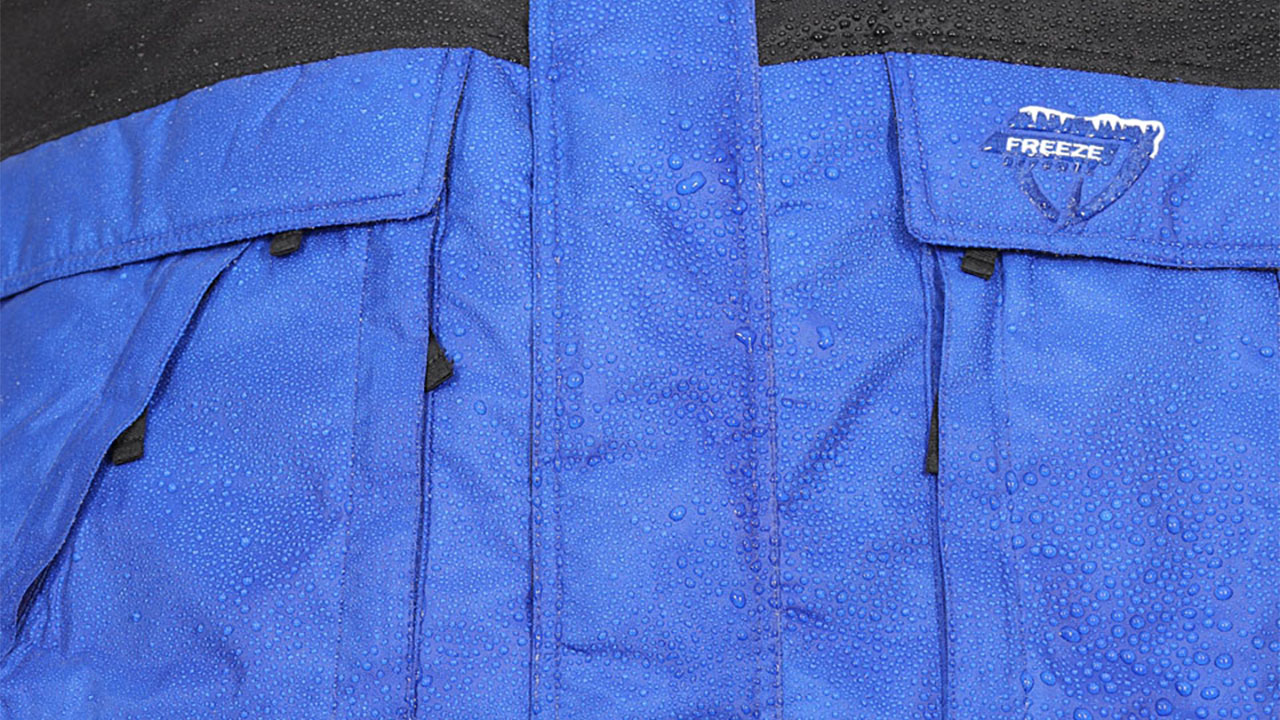
Water resistant clothing is designed to help repel light moisture and prevent water from quickly soaking into the fabric.
Many water resistant winter coats feature shell materials that have been treated with a protective coating that causes moisture to bead up and roll off the surface.
Water resistant winter outerwear typically performs well in:
- Snow
- Rain
- Mist
- Damp conditions
- Everyday winter weather
For many people, water resistant protection is more than sufficient for daily winter activities.
Benefits of Water Resistant Winter Coats
- More breathable
- Comfortable for everyday wear
- Often lighter than waterproof garments
- More flexible and versatile
- Effective for typical winter weather
Freeze Defense winter coats utilize water resistant shell materials designed to help protect against snow, sleet, light rain, and other common winter conditions.
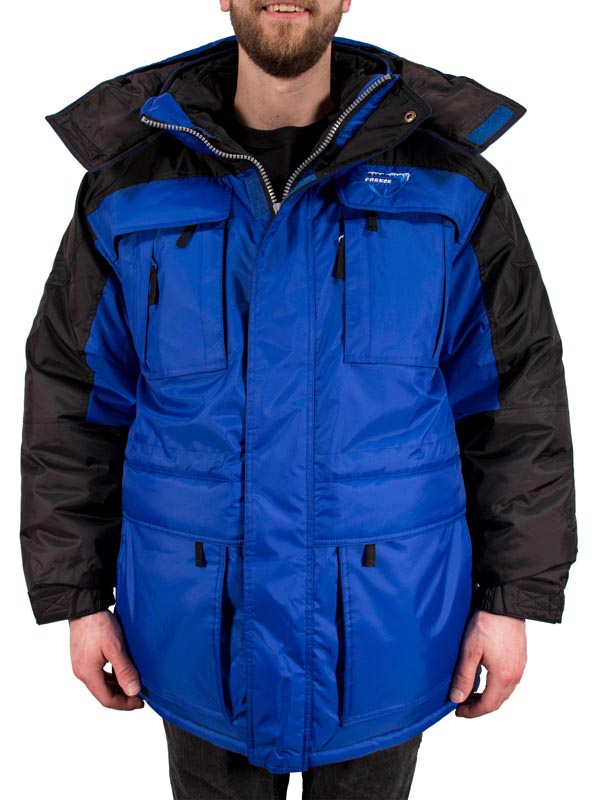
Men's 3in1 Winter Coat
Need Protection From Snow, Wind, and Cold?
Freeze Defense winter coats, jackets, and parkas combine insulated warmth with water and wind resistant protection to help keep you comfortable during everyday winter conditions.
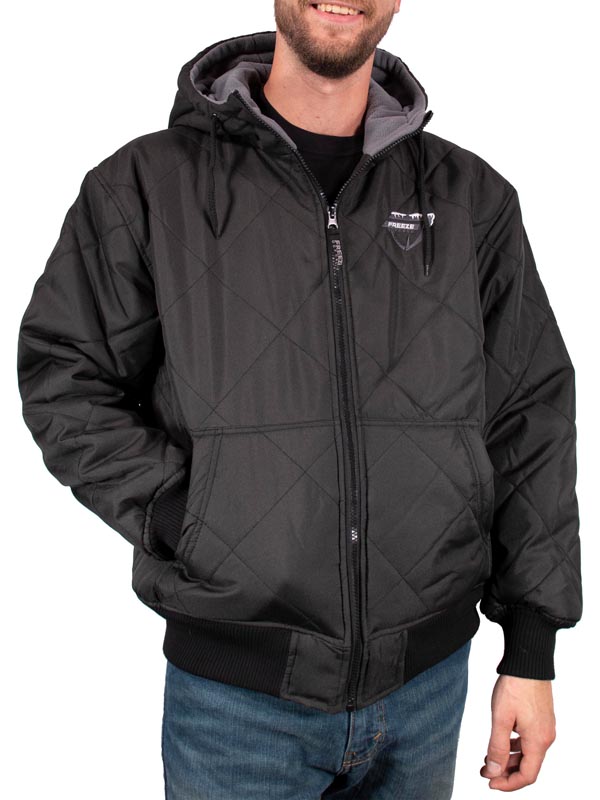
Men's Quilted Winter Jacket
What Does Waterproof Mean?
Waterproof clothing is designed to prevent water from penetrating the garment even during extended exposure to wet conditions.
Waterproof winter jackets typically use specialized membranes, sealed seams, and advanced construction techniques to create a stronger barrier against moisture.
Waterproof outerwear is often designed for:
- Heavy rain
- Extended wet conditions
- Mountain environments
- Extreme weather situations
Because of the additional materials and construction involved, waterproof garments are often more expensive than water resistant alternatives.
Water Resistant vs. Waterproof: The Key Differences
Water Resistant
- Helps repel light moisture
- Suitable for everyday winter weather
- More breathable
- Often lighter and more comfortable
- Generally more affordable
Waterproof
- Blocks significant moisture penetration
- Designed for prolonged wet conditions
- May be less breathable
- Often more specialized
- Frequently costs more
Neither option is automatically better. The right choice depends on how and where you'll be using your winter clothing.
Do Most People Need a Waterproof Winter Coat?
For many people, the answer is actually no. Consider common winter activities:
- Going to work
- Running errands
- Shoveling snow
- Walking the dog
- Attending outdoor sporting events
- Traveling
- Commuting
In many of these situations, a quality water resistant winter coat provides more than enough protection while remaining comfortable and breathable.
Unless you're frequently exposed to prolonged rain or extreme wet-weather conditions, a water resistant winter jacket may be the more practical choice.
Why Water Resistance and Warmth Work Together
Moisture protection helps support warmth. When snow, sleet, or rain penetrates a coat's outer layer, insulation can become less effective. That's why many cold-weather jackets combine:
- Insulation
- Wind resistance
- Water resistance
These features help create a more complete winter outerwear system. This approach can provide comfort across a wide range of winter conditions.
For example, Freeze Defense winter outerwear combines insulated construction with water and wind resistant shell materials to help provide protection from common winter weather.
Don't Forget About Wind Protection
Many people focus entirely on moisture protection while overlooking another major factor: wind. Cold air moving across your body can significantly increase heat loss.
Even on a dry day, strong wind can make temperatures feel much colder. That's why many winter coats and jackets include both:
- Water resistant protection
- Wind resistant protection
The combination can help improve overall comfort during cold weather.
Freeze Defense Weather Protection
At Freeze Defense, we create men's winter outerwear that performs well during real-world winter conditions. Most people need protection from:
- Snow
- Wind
- Sleet
- Rain
- Cold temperatures
That's why our winter coats and jackets focus on combining water resistant shell materials, wind resistance, insulation, and practical cold-weather features to help provide dependable everyday protection.
Whether you're commuting, working outdoors, attending football games, ice fishing, or simply spending time outside, weather protection plays an important role in overall comfort.
Find Winter Outerwear Built for Everyday Winter Conditions
Freeze Defense offers insulated men's winter coats, winter jackets, and parkas designed to provide warmth, water resistance, wind protection, and comfort throughout the winter season. Many styles are available in regular and Big & Tall sizes up to 8XL.
Which Is Right for You?
A water resistant winter coat may be the best choice if:
- You need an everyday winter jacket
- You regularly encounter snow or light rain
- You want breathability and comfort
- You are looking for versatile winter outerwear
A waterproof winter coat may be the better choice if:
- You spend extended periods of time in heavy rain
- You frequently encounter very wet conditions
- Maximum moisture protection is your highest priority
For many winter activities, a quality water resistant winter coat offers an excellent balance of comfort, protection, and practicality.
Choosing the Right Winter Outerwear
Understanding the difference between water resistant and waterproof winter clothing can help you make a more informed purchasing decision.
For most people, the goal isn't simply staying dry. It's staying warm, comfortable, and protected throughout the winter season.
When evaluating a winter coat, winter jacket, or winter parka, look beyond a single feature and consider how insulation, wind resistance, moisture protection, fit, and overall construction work together.
The best winter outerwear is ultimately the one that provides the right combination of warmth, protection, and comfort for your everyday winter needs.
More Articles

What Is a 3-in-1 Winter Coat?
Sep 04, 2026
