
What Makes a Winter Coat Warm? The Science Behind Cold Weather Protection

What Makes a Winter Coat Warm?

By: Chris B.
Published on September 13, 2026
When temperatures begin to drop, most people start looking for a warm men's winter coat, winter jacket, or winter parka that can help them stay comfortable outdoors. But what actually makes a winter coat warm?
Many shoppers assume the thickest coat must automatically be the warmest. In reality, several factors work together to determine how effective winter clothing is at trapping heat and protecting you from the cold.
From insulation and wind resistance to layering and fit, understanding how winter outerwear works can help you make better decisions when shopping for cold-weather clothing.
In this guide, we'll explain what makes a winter coat warm, how different types of winter apparel work, and what features you should look for when choosing winter outerwear.
How Winter Clothing Keeps You Warm
The primary purpose of winter clothing is to help your body retain heat.
Your body naturally produces warmth throughout the day. A good winter coat doesn't create heat of its own. Instead, it helps trap the warmth your body generates and prevents cold air from reaching your skin.
The most effective winter outerwear helps:
- Retain body heat
- Reduce heat loss
- Block cold wind
- Resist moisture
- Create a comfortable layer between your body and the environment
The better a garment performs these functions, the warmer it will generally feel.
Why Insulation Matters
Insulation is one of the most important factors that determine how warm a winter coat will be.
Insulation works by trapping pockets of air inside the jacket. These pockets slow the movement of heat away from your body, helping retain warmth for longer periods of time.
Most winter coats use either synthetic insulation or down insulation.
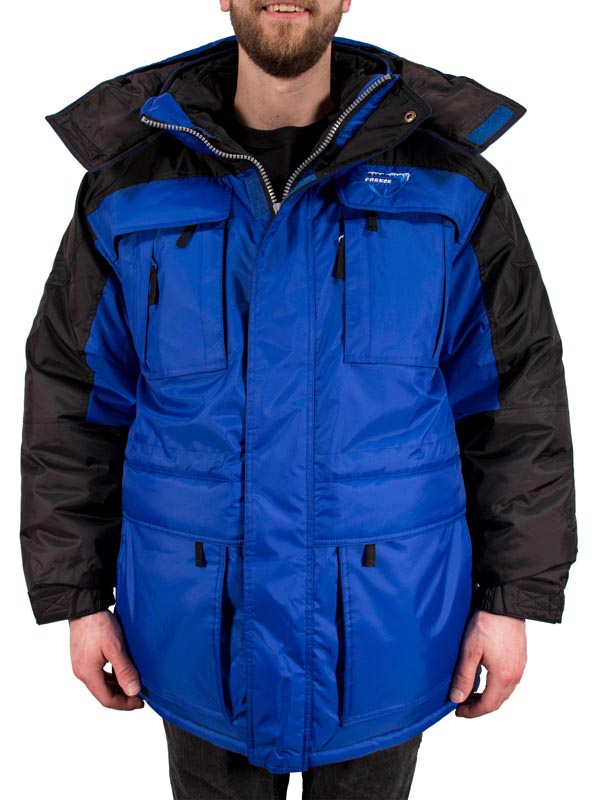
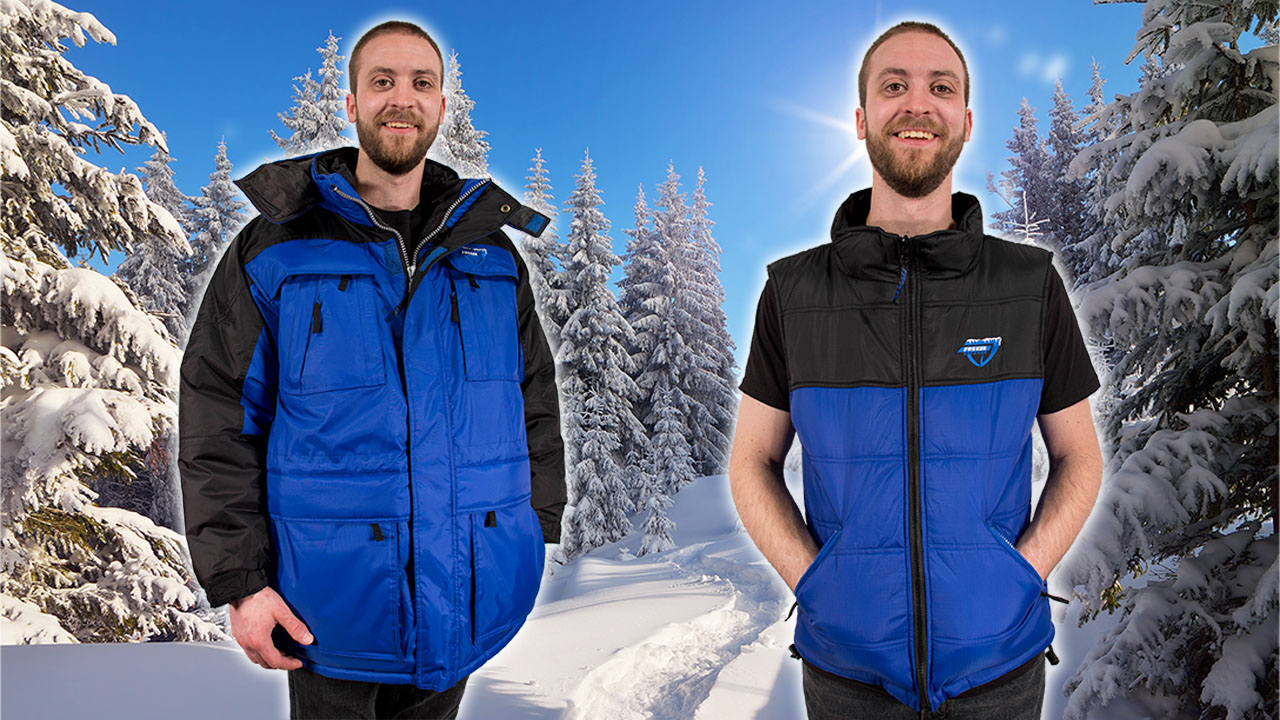
Men's 3in1 Winter Coat
Looking for Warm Winter Clothing?
Freeze Defense men's outerwear includes insulated winter coats, jackets, and parkas designed to provide dependable cold-weather protection in regular and Big & Tall sizes up to 8XL.
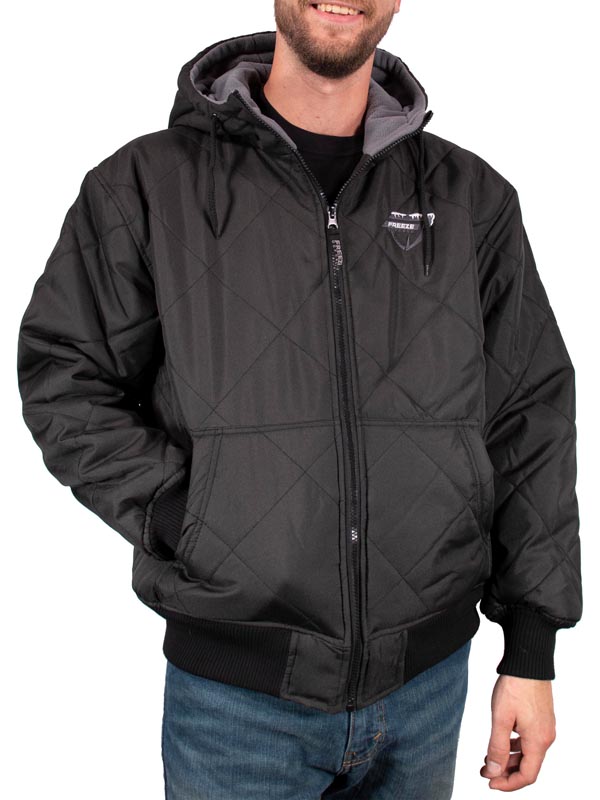
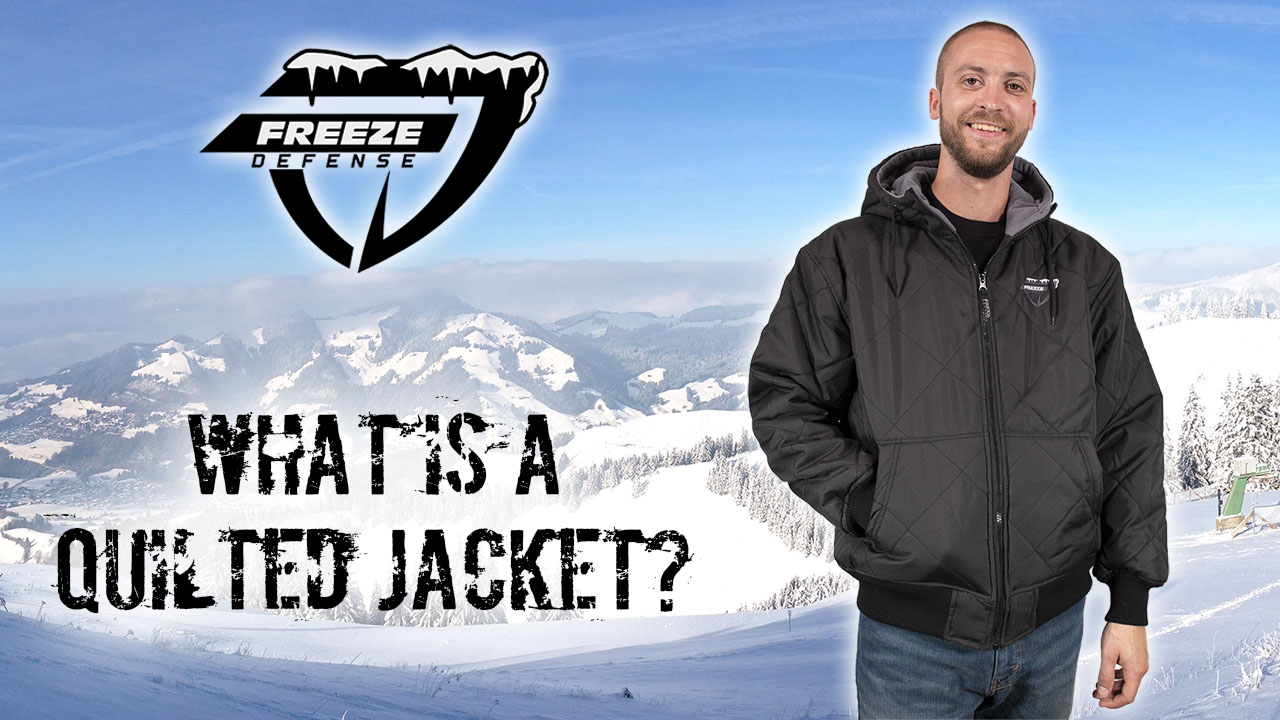
Men's Quilted Winter Jacket
Synthetic Insulation
Synthetic insulation is commonly found in modern winter coats, winter jackets, and winter parkas.
Benefits include:
- Retains warmth even if exposed to moisture
- Provides insulation during wet winter conditions
- Durable and easy to maintain
- Generally more affordable than down
- Performs well for everyday winter use
One of the reasons synthetic insulation remains popular in winter clothing is that it can continue providing insulating properties even when exposed to snow, rain, or damp conditions. While no insulation performs at its best when saturated, synthetic insulation generally retains more warmth than down when moisture is present.
Freeze Defense winter coats and jackets utilize synthetic insulation designed to provide dependable warmth during everyday winter activities and cold-weather conditions.
Down Insulation
Down insulation is made from the soft under-feathers of ducks or geese and is known for providing excellent warmth relative to its weight.
Benefits include:
- High warmth-to-weight ratio
- Lightweight feel
- Compressibility
However, some down-filled winter jackets may lose insulating effectiveness when wet, which is one reason many everyday winter coats utilize synthetic insulation instead.
Wind Can Make You Feel Much Colder
Many people focus entirely on insulation while overlooking one of the biggest factors affecting comfort: wind.
Even a moderately cold day can feel significantly colder when strong winds are present. That's because moving air accelerates heat loss from the body.
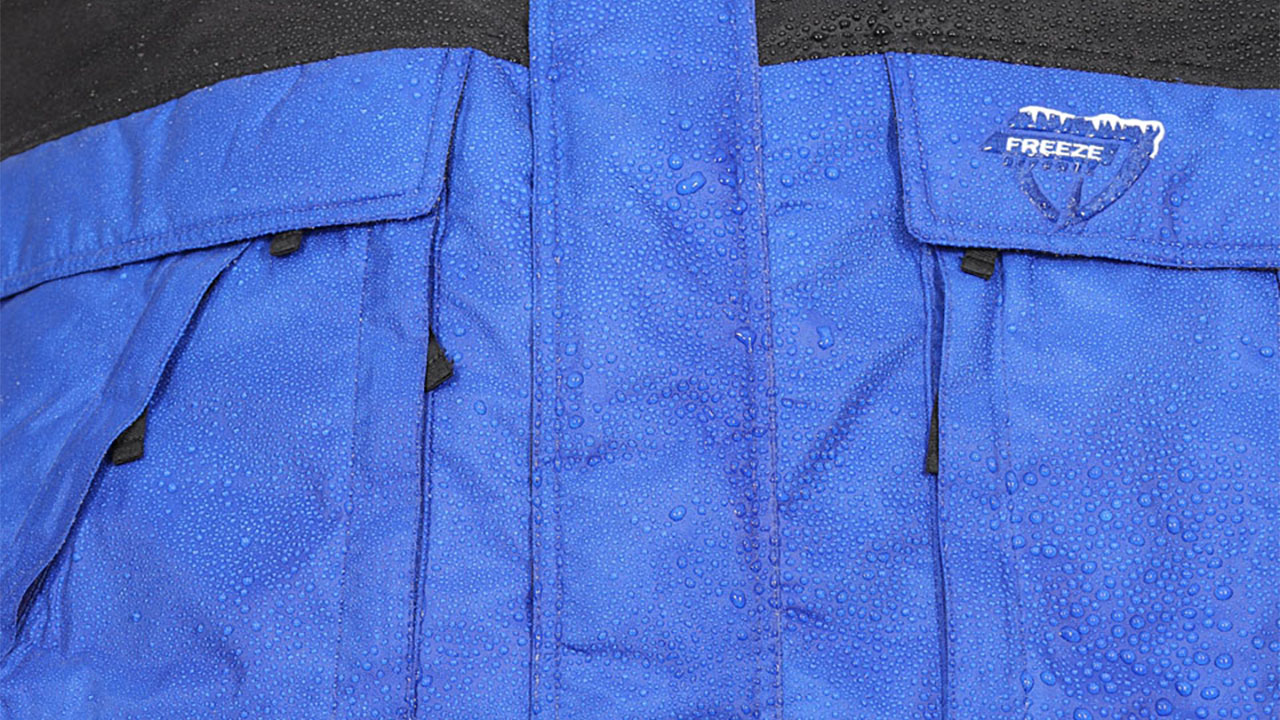
A winter coat with wind-resistant shell materials helps create a barrier between your body and the cold air outside. This is one reason Freeze Defense winter coats incorporate water and wind resistant materials in addition to insulated construction.
Water and wind resistant materials help improve overall warmth by reducing the effects of winter wind.
Moisture and Warmth Go Hand in Hand
Snow, sleet, rain, and wet conditions can make it difficult to stay warm. When clothing becomes wet, it may lose some of its ability to retain heat efficiently.
This is why many winter jackets, winter parkas, and other cold-weather outerwear use water-resistant materials to help protect the insulation underneath.
Whether you're working outdoors, shoveling snow, attending a football game, or heading out for a winter walk, remaining dry is an important part of staying warm.
Layering Can Be More Important Than Thickness
One common misconception is that the thickest winter coat is automatically the warmest. In reality, layering often plays an equally important role.
Layering allows you to:
- Trap additional warm air
- Adjust warmth based on conditions
- Stay comfortable during changing weather
- Improve overall cold-weather protection
This is one reason 3-in-1 winter coat systems have remained popular.
For example, the Freeze Defense Men's 3-in-1 Winter Coat combines a fully insulated winter coat with a removable insulated vest. Depending on conditions, each piece can be worn separately or together to adjust overall warmth.
What Winter Coat Features Improve Warmth?
Several design features can significantly improve the effectiveness of winter outerwear.
Adjustable Cuffs
Properly fitted cuffs help keep cold air from entering through the sleeves.
Insulated Hoods
An insulated hood provides additional protection for the head and neck, reducing heat loss.
Storm Flaps
Storm flaps help block wind and moisture from entering through the zipper area.
Adjustable Waists and Hems
A better fit can help reduce drafts and improve warmth retention.
High-Quality Closures
Zippers, snaps, and hook-and-loop closures help create a more effective barrier against cold weather.
Many of these features appear throughout the Freeze Defense collection because maintaining warmth often comes from multiple small details working together.
Is a Winter Parka Warmer Than a Winter Jacket?
The answer depends on construction. A winter parka often provides:
- Additional length
- Greater coverage
- More protection from wind and snow
Because of this, many winter parkas are designed for colder conditions than lightweight winter jackets. However, not every parka will be warmer than every winter jacket.
The quality of insulation, shell materials, and overall construction usually matter more than the name alone.
Does Fit Affect Warmth?
Absolutely. A winter coat that is too tight may compress insulation and make layering difficult. A winter jacket that is excessively loose may allow cold air to circulate inside more freely.
Finding the right fit helps your winter clothing perform as intended. This becomes especially important for shoppers looking for Big & Tall winter coats and jackets, where a proper fit can greatly improve both comfort and warmth.
Find Winter Outerwear Designed for Warmth
Freeze Defense offers insulated men's winter coats, winter jackets, and winter parkas designed to help keep you warm, comfortable, and protected throughout the winter season. Many styles are available in regular and Big & Tall sizes up to 8XL.
How Freeze Defense Approaches Warmth
At Freeze Defense, warmth starts with practical design rather than marketing buzzwords.
Our goal is to provide warm, functional, and affordable winter outerwear that helps people stay comfortable during real-world winter conditions.
Whether it's the versatility of our Men's 3-in-1 Winter Coat, the everyday comfort of our Men's Quilted Jacket, or the weather protection found throughout our outerwear collection, we focus on features that contribute to warmth, comfort, and usability.
We also believe warmth should be available to more people, which is why many products are available in regular and Big & Tall sizes up to 8XL.
Choosing Winter Clothing for Your Needs
Different situations may call for different types of winter apparel. Someone commuting to work may have different needs than someone:
- Ice fishing
- Working outdoors
- Spending time in a freezer warehouse
- Attending football games
- Skiing or snowboarding
Understanding how insulation, layering, wind resistance, and fit work together can help you select winter clothing that performs well in your specific environment.
Staying Warm This Winter
When it comes to winter clothing, warmth is about much more than thickness alone. Insulation, wind resistance, moisture protection, layering, fit, and construction all work together to create effective cold-weather outerwear.
Understanding what makes a winter coat warm can help you choose winter apparel that keeps you comfortable whether you're commuting, working outdoors, attending winter events, or simply enjoying the season.
The best winter coat is ultimately the one that provides the right combination of warmth, protection, comfort, and functionality for your needs.
More Articles
What Is a 3-in-1 Winter Coat?
Sep 04, 2026
